Data visualization tools

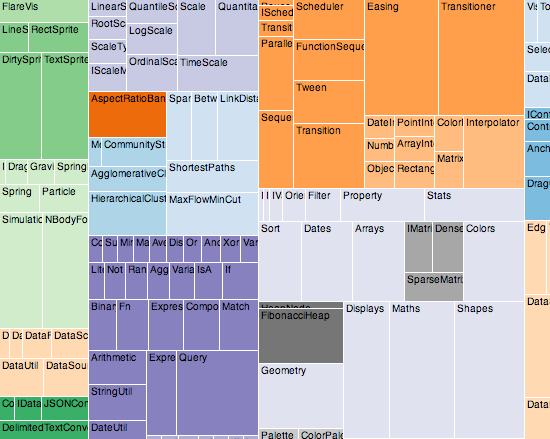
With the increasing availability of big/open data more people discover a need to make it understandable. One way of understanding data is by looking at it. As I have received a lot of questions lately here is a roundup of tools you can use to create visualizations of data. I have divided the tools into three groups: Libraries for using in your own web project. Client side applications that generate a standalone visualization. Hosted applications to which you upload your data and create visualizations in the cloud. 1. Visualization libraries for using in your own web project A general recommendation is to stick with libraries that work on as many client platforms as possible. This means staying away from libraries that require Flash and Silverlight. The following libraries use javascript and SVG with various fallbacks and should work well on modern phones and tablets. ...
February 12, 2012 · Peter Krantz

A lightweight semantic interoperability framework for countries and large organizations (and small ones)

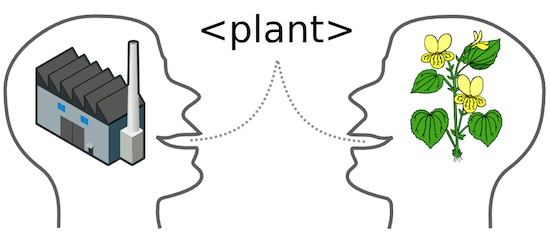
This post is a summary of some ideas for a lightweight semantic interoperability framework It is mainly a composition of existing open standards to form a framework for organisations to be able to ensure that semantic and technical descriptions stay connected over time. The idea is to provide a framework that allows for an increasing semantic interoperability emerging over time without having a large centralized organisation defining vocabularies. Main points: The benefits appear when a vocabulary is used. An important factor is how a vocabulary and its parts can be published, discovered and referenced. There needs to be one and only one vocabulary artifact. The vocabulary artifact must be machine processable to allow aggregation and automatic generation of other artifacts. Background The need for interoperability arise in scenarios with many contributing actors. In the old days this was solved by hiring a (large) consulting organization that (hopefully) had experience from glueing together many products from their vast product portfolio. Everyone involved was happy if it worked. Being able to swap out a part of this system or connect it to a third party that had a different technical platform was considered a risk. ...

December 15, 2010 · Peter Krantz